26
Feb
How to Choose the Right CNC Tool Holders for Precision Machining
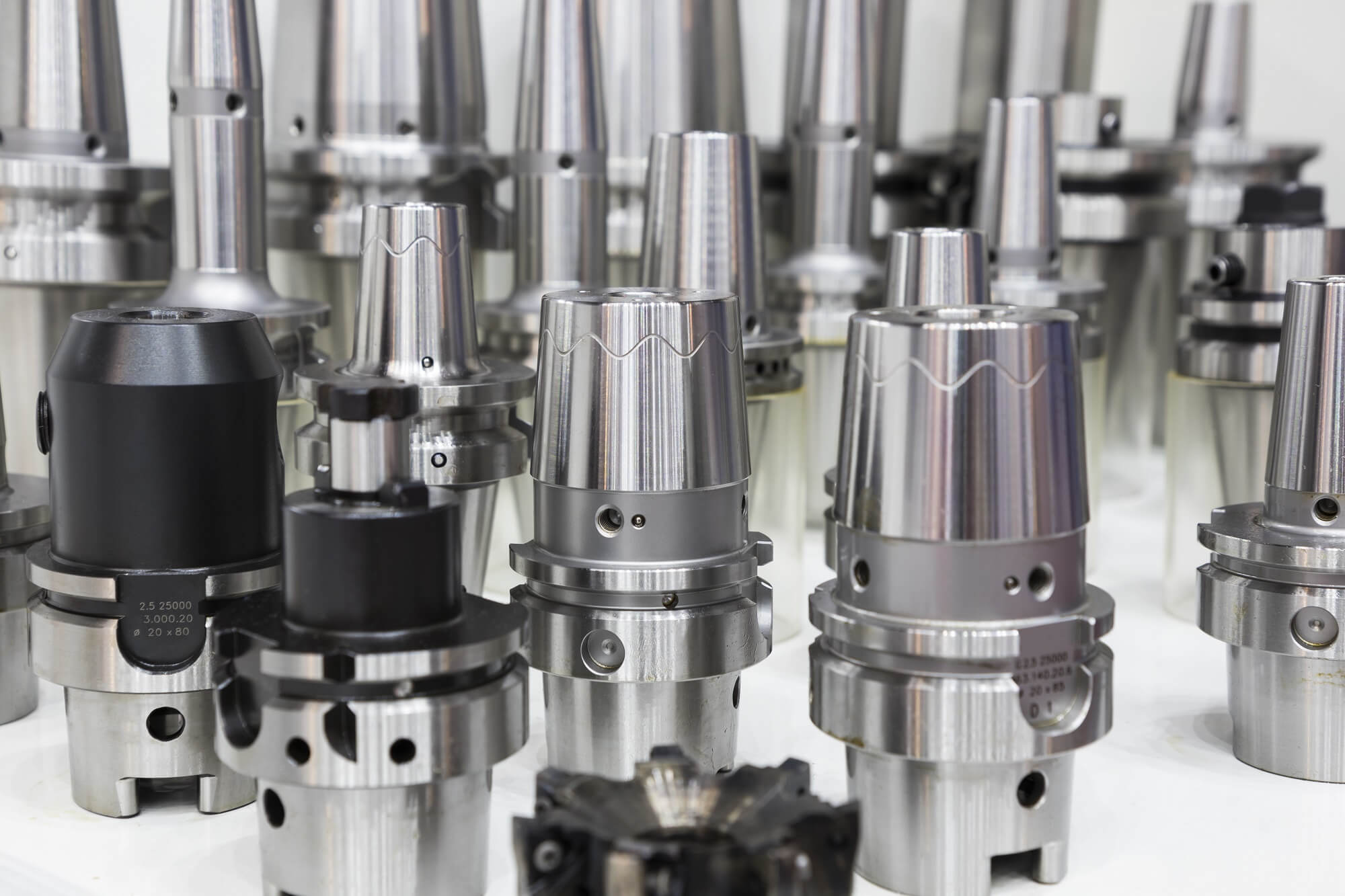
Selecting the right CNC tool holders is crucial for achieving optimal cutting performance, tool life, and part accuracy. With a wide range of options available—from collet chucks to hydraulic and shrink-fit holders—each type offers distinct advantages depending on your application, machine capabilities, and budget. This guide provides a detailed breakdown of key factors to consider when choosing CNC tool holders, ensuring compatibility, efficiency, and reliability in your machining operations.
1. Understand the Types of CNC Tool Holders
Before making a decision, familiarize yourself with the most common tool holder designs:
A. Collet Chucks
- Best for: High flexibility, quick tool changes, and small-diameter tools (e.g., end mills ≤12mm).
- Pros:
- Wide clamping range (e.g., ER collets hold tools from 1mm to 32mm).
- Affordable and widely available.
- Suitable for prototyping and low-volume production.
- Cons:
- Lower runout accuracy (typically 5–10µm) compared to precision holders.
- Limited to moderate spindle speeds (≤15,000 RPM).
B. Side-Lock (End Mill Holders)
- Best for: Heavy-duty roughing and applications requiring high torque transmission.
- Pros:
- Robust design handles high cutting forces.
- Simple to use with a single set screw for tool retention.
- Cons:
- Higher runout (10–20µm) due to single-point contact.
- Less suitable for high-speed machining (HSM).
C. Hydraulic Tool Holders
- Best for: High-precision finishing operations and HSM (≥20,000 RPM).
- Pros:
- Ultra-low runout (≤1µm) due to hydraulic clamping pressure.
- Dampens vibrations, improving surface finish.
- Repeatable tool changes with minimal setup time.
- Cons:
- Higher cost than collet chucks.
- Requires periodic maintenance (e.g., refilling hydraulic fluid).
D. Shrink-Fit Holders
- Best for: High-speed milling and applications demanding maximum rigidity.
- Pros:
- Exceptional runout accuracy (≤0.5µm) due to uniform clamping force.
- Lightweight design reduces spindle load.
- Ideal for micro-machining and aerospace components.
- Cons:
- Requires a heating/cooling unit for tool changes.
- Limited to solid carbide tools (no welded or brazed shanks).
E. Mill-Chuck (Power Clamping Chucks)
- Best for: High-torque applications with large-diameter tools (≥16mm).
- Pros:
- Balanced clamping force across multiple jaws.
- Suitable for heavy roughing and interrupted cuts.
- Cons:
- Heavier than collet chucks, reducing spindle speed potential.
- Higher initial cost.
2. Evaluate Your Machining Requirements
A. Application Type
- Finishing: Prioritize holders with low runout (hydraulic or shrink-fit).
- Roughing: Choose robust holders (side-lock or mill-chuck) that resist vibration.
- High-Speed Machining (HSM): Opt for balanced holders (hydraulic or shrink-fit) to minimize centrifugal forces.
B. Tool Diameter and Length
- Small tools (≤6mm): Use ER collet chucks for flexibility.
- Large tools (≥16mm): Consider mill-chucks or side-lock holders for stability.
- Long overhangs: Select holders with vibration-damping features (e.g., hydraulic or tapered-shank designs).
C. Spindle Interface
- Match the tool holder’s taper (e.g., BT30, HSK-A63, CAT40) to your machine’s spindle.
- For HSM, choose HSK (hollow shank taper) holders for better rigidity and balance.
3. Consider Runout and Accuracy
Runout (TIR, or Total Indicator Reading) directly impacts surface finish and tool life:
- General machining: ≤5µm runout is acceptable.
- Finishing operations: Aim for ≤1µm runout (hydraulic or shrink-fit holders).
- Micro-machining: Require ≤0.5µm runout (shrink-fit or precision collets).
4. Assess Tool Change Frequency
- Frequent changes: Collet chucks or quick-change systems (e.g., CAPTO) save time.
- Infrequent changes: Shrink-fit or hydraulic holders offer better rigidity.
5. Factor in Cost and Budget
- Budget-friendly: ER collet chucks provide the best value for general-purpose machining.
- Mid-range: Hydraulic holders balance precision and cost for finishing applications.
- Premium: Shrink-fit holders justify their price for HSM and aerospace parts.
6. Check Compatibility with Coolant Delivery
- Through-coolant holders: Essential for deep cavities or high-feed milling to evacuate chips efficiently.
- Flood coolant systems: Work with most holder types but may not cool tools as effectively as through-spindle options.
7. Verify Balancing for High-Speed Applications
- Unbalanced holders cause vibration, reducing tool life and surface quality.
- Choose holders rated for your spindle speed (e.g., G2.5 balance grade for ≤25,000 RPM).
8. Prioritize Safety and Ease of Use
- Safety: Ensure holders have proper locking mechanisms (e.g., dual-screw retention for side-lock holders).
- Ergonomics: Hydraulic and shrink-fit holders reduce operator fatigue during tool changes.
9. Consult Manufacturer Specifications
- Review datasheets for:
- Maximum RPM rating.
- Clamping force and runout guarantees.
- Compatibility with your machine’s control system (e.g., tool offset storage).
10. Test Before Committing
- Request a trial holder or rent one to evaluate performance in real-world conditions.
- Measure runout with a dial indicator and inspect surface finish on sample parts.
Conclusion
Choosing the right CNC tool holders involves balancing precision, cost, and application requirements. For general-purpose machining, ER collet chucks offer versatility, while hydraulic and shrink-fit holders excel in high-precision finishing. Heavy-duty roughing benefits from side-lock or mill-chuck designs, and HSM demands balanced, rigid holders like HSK-tapered shrink-fit systems. By aligning your selection with your machining goals, you can optimize tool life, reduce setup time, and achieve consistent part quality.